8 June 2026
New chairs, old TV: Can you add HaloShort without replacing it?
Before replacing an old TV, check its ports, system, and connected devices. A compatible Android box may be enough to run HaloShort.
Before replacing an old TV, check its ports, system, and connected devices. A compatible Android box may be enough to run HaloShort.
The joint physics get all the attention. The bigger story is what happens to your stations, your screw kits and your rework bench when the bolts go away.
Nine times out of ten, a wrong part started life as a photo on a phone and a sentence in a chat window. A real spec pack is boring, and it is the cheapest insurance you can buy.
A bolted leg relies on a fastener staying tight. A taper relies on geometry. Under the rocking a chair sees all day, those two bets do not age the same way.
A welded five-star foot ships air. A nested knock-down foot ships flat. Across a 40HQ that difference is a freight line nobody at the buyer end ever notices — until you show them.
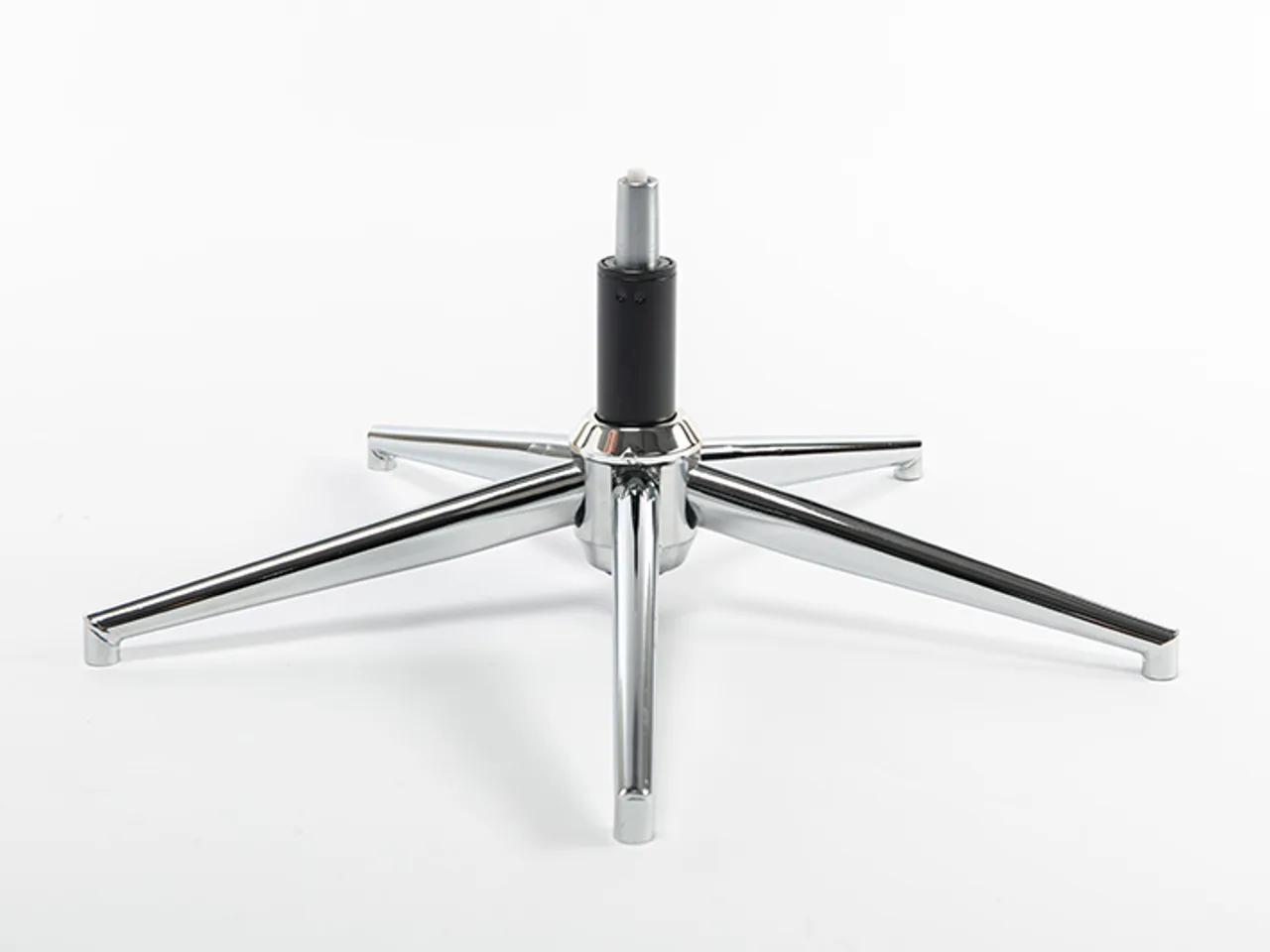
Wood reads warm and forgives a loose joint. Metal takes abuse and ships in standard sections. The right answer is almost never about looks — it is about duty and volume.
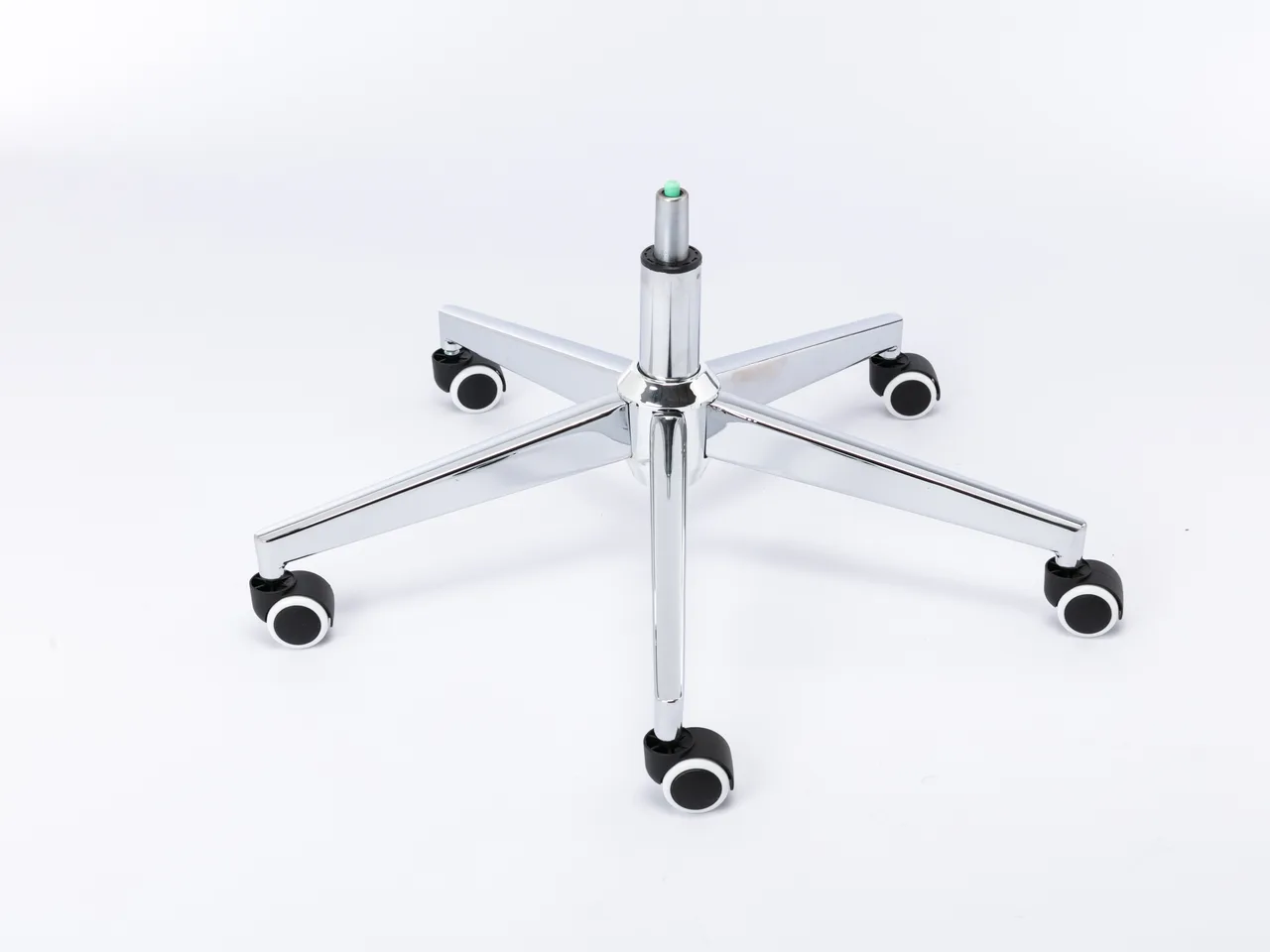
Nobody specs the bottom of the leg until a hardwood floor gets scratched. The fix costs cents per chair if you get it right at the drawing stage instead of in returns.
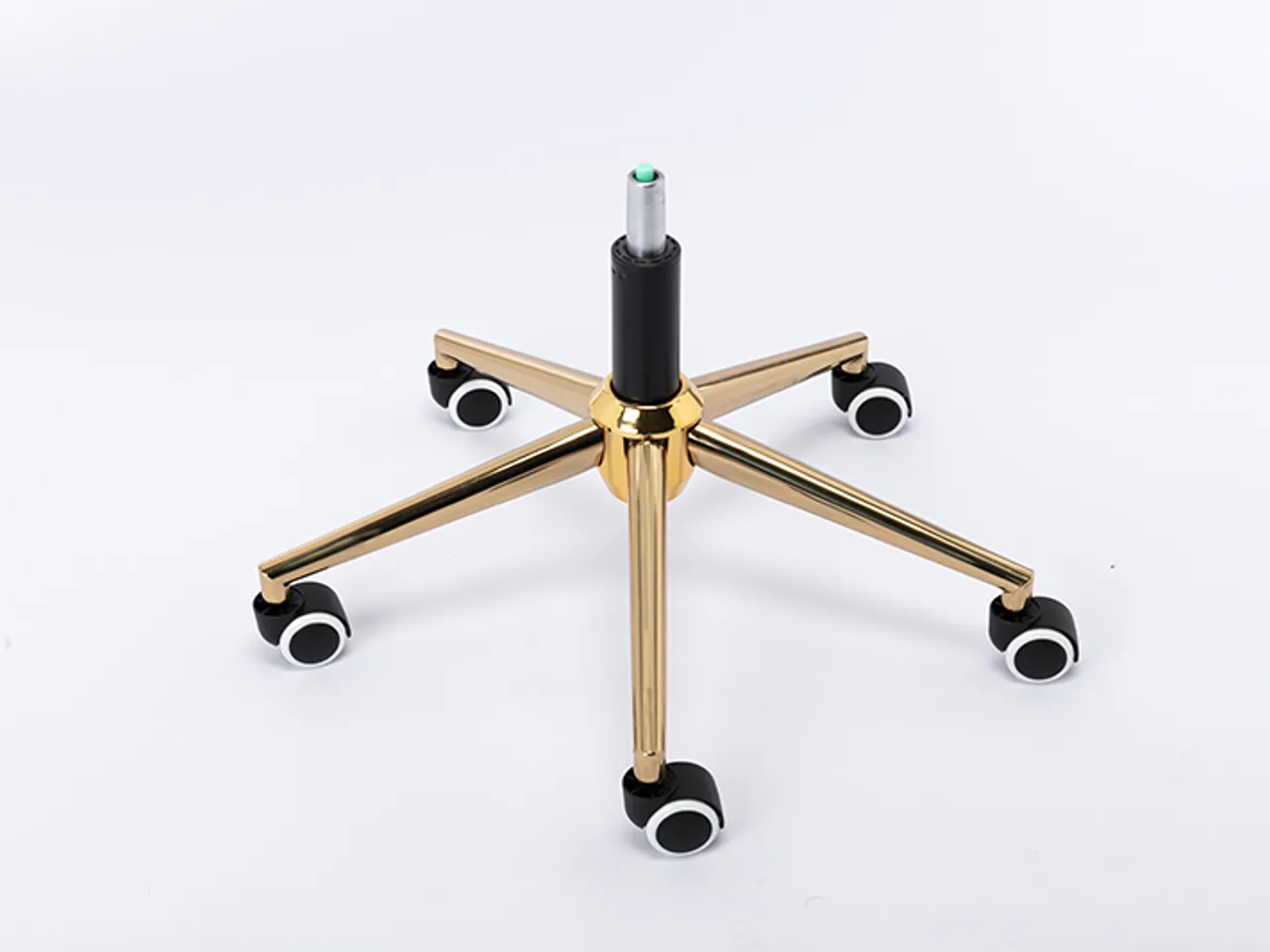
Chrome sells the photo. Powder coat survives the freight and the floor mop. Choosing between them is a question of where the chair lives, not which looks shinier in the catalogue.
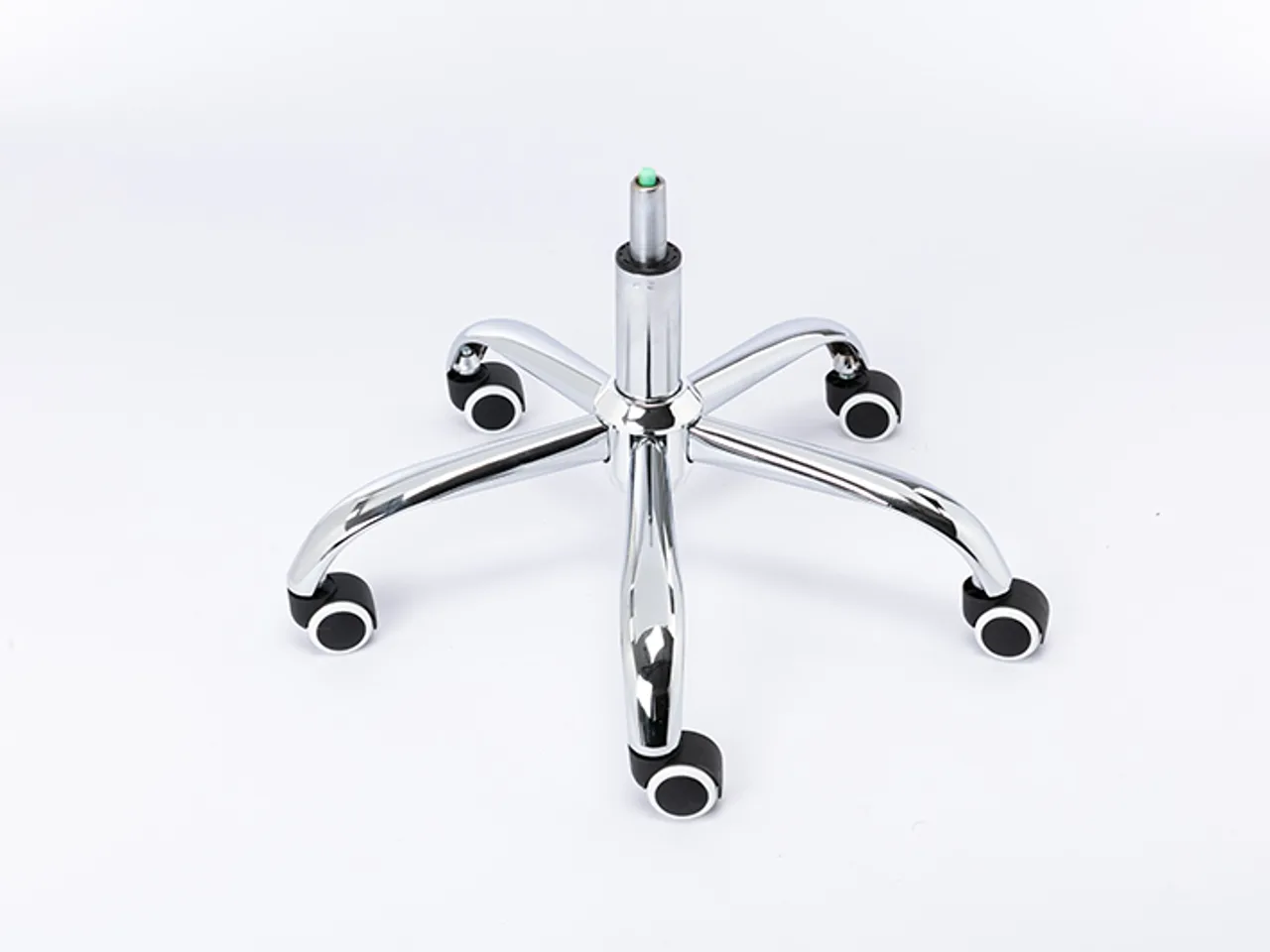
Too loose and the foot wobbles. Too tight and the line cannot press it. A self-locking taper foot lives in a tolerance window only a few hundredths of a millimetre wide.
Got a live part?
If you already know the foot or leg, the fastest route is a direct enquiry. Tell us the tube size, finish and rough monthly volume and we come back with a quote and a fit recommendation.
Tell us the foot or leg you need — type, tube size, finish and rough monthly volume. We forward it straight to our team.